
Seeing Sound: How audio Description makes entertainment accessible
Most of us can finish a long day, curl up on the couch, press play, and instantly follow a story. We hear the voices. We see the action. We understand what is happening without even thinking about it.
But for many people in Aotearoa who are blind, deafblind, or living with low vision, that experience is very different. Even people who can see the screen but are busy cooking dinner or folding washing can miss important visual details.
This is where audio description turns exclusion into inclusion.
Audio description defined
Audio description is a spoken narration that explains the important visual details on screen. It is written and voiced by trained specialists who watch each scene closely and describe:
- actions
- gestures
- facial expressions
- scene changes
- important visual clues
They do this in a way that fits naturally around the dialogue and sound.
For many people, audio description is not a “nice to have”. It is an essential part of being able to enjoy stories, information, and culture—just like everyone else.
The craft behind the words
 Writing good audio description is not as simple as saying what you see. A describer needs to understand the whole story. They must get the timing and emotion right so the narration supports the show without interrupting the flow.
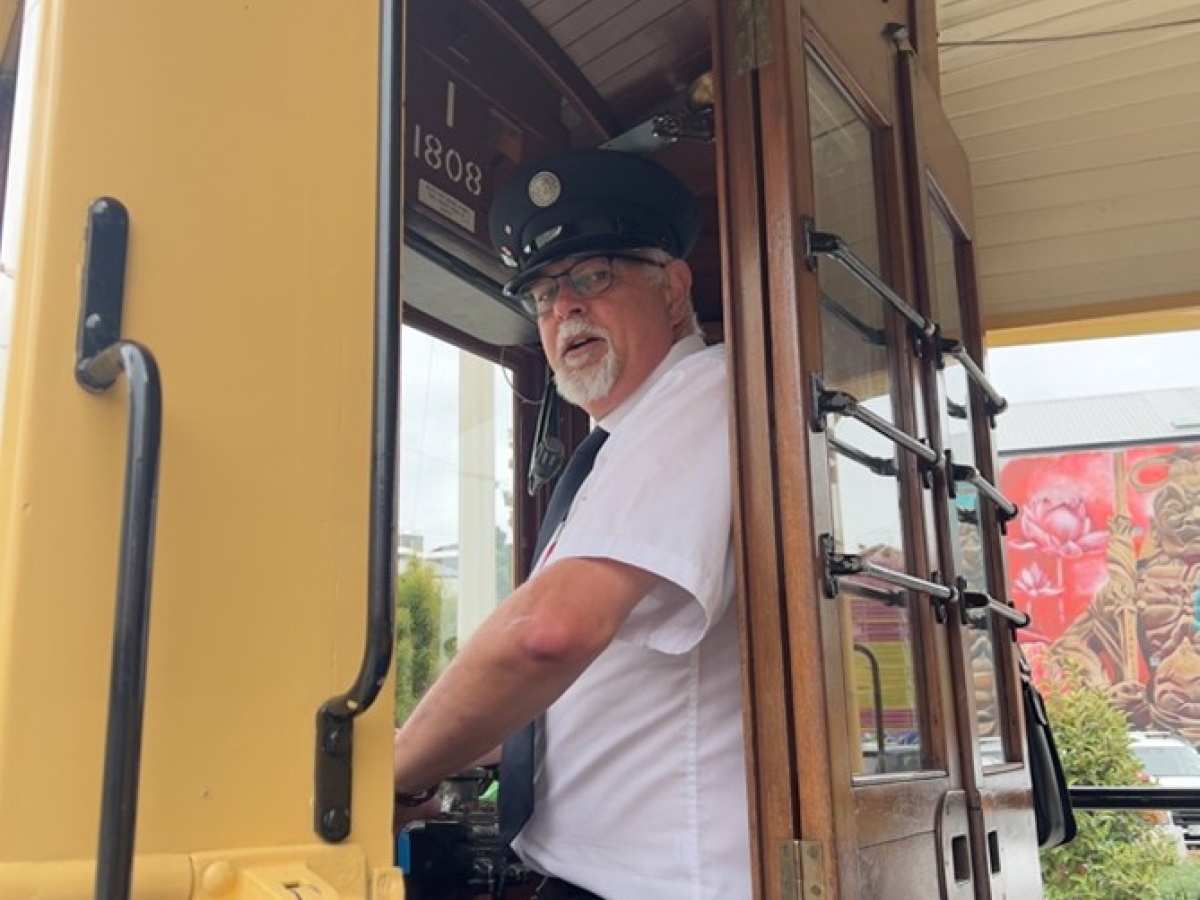
Our Access Advisors team were reminded of this during a tram ride around Ōtautahi Christchurch. Chandra tried to describe the scenery and history for our colleague Julius, who is completely blind. Keeping up with the movement, the commentary, and the details was tough. It showed us how much skill goes into doing audio description well.
Horror movies and surprise lessons
Julius once told us he loves horror films. After our initial shock, he said he enjoys the suspense and the slow build-up of fear.
He joked that audio description makes horror even scarier because the narrator calmly explains something terrifying before the characters know it themselves. One of our clients loved this story so much that they started hosting horror-movie nights for Julius and his friends—no visuals, just sound and audio description.
This is the power of audio description. It does not take anything away. It adds depth, clarity, and connection.
Audio description helps everyone
Audio description is not only for people who are blind or have low vision. Life is full of moments when we cannot look at a screen, cooking, playing with tamariki (children), or even tidying the house.
Many programmes include long stretches with no dialogue at all. For example, the first 15 minutes of The Hunger Games contain almost no spoken words. Without looking directly at the screen, you would miss almost everything. One of Kevin’s favourites is the famous shower scene in Psycho; powerful, silent, and confusing if you can only hear it.
Audio description fills in these gaps and makes stories easier for everyone to follow.
Audio description in Aotearoa New Zealand
Most video content in Aotearoa is purchased from overseas. It often arrives without audio description. There is also no legislation requiring broadcasters or streaming services to offer it.
This leads to:
-
big differences between channels and platforms
-
content that might include audio description on live TV but not on streaming
-
platforms that do not support audio description at all
Some local funding exists, but it is not enough to create a consistent experience for viewers across the motu.
What many people do not know is that audio described shows still play on TVNZ 1, TVNZ 2, Duke, and Three. You can activate AD on most TVs using the button on the remote or through the settings. Weekly listings are available through trusted accessibility providers.
Alternative options
While we wait for system-wide change, there are other solutions.
The Earcatch app lets viewers sync audio description with what they are watching. You choose the show in the app, and the audio description plays through your phone while the programme plays on your TV, laptop, or tablet. It is not perfect, but it gives people more choices and more flexibility.
As someone who streams video, scrolls TikTok, and uses apps all day, I cannot imagine losing access simply because a story was not described. Trying audio description myself for the first time was surprisingly emotional. Closing my eyes made me realise how much I take for granted—and how much others miss.
Accessibility is not optional. It is essential.
Why your organisation should care
If your organisation creates videos, then consider that audio description:
-
includes more people
-
supports disabled communities
-
improves user experience for everyone
-
reduces complaints
-
strengthens your brand reputation
-
prepares you for future accessibility requirements
Accessible content shows your audience that you care and that your stories belong to everyone.
How Access Advisors can help
At Access Advisors, we can support you to:
-
plan accessibility from the start
-
review your current video content
-
connect you with skilled audio describers
-
build accessibility into your workflow
-
understand what real users need
Whether you create promotional videos, training materials, digital resources, or full episodes, accessibility will make your content stronger and more inclusive.
Kōrero mai – let’s talk
If you want to understand how audio description works and why it matters, we would love to kōrero. Let’s work together to build an Accessible Aotearoa where everyone can enjoy stories without missing a moment.
Reach out to Access Advisors today.
#AccessibleAotearoa #AccessAdvisors #InclusionMatters