
Meta Glasses And The Future Of Digital Accessibility
We know that aren’t that new, as many of our colleagues have them already, but Meta glasses are one of those innovations that make you stop and think about what technology can really do for people who have access needs.
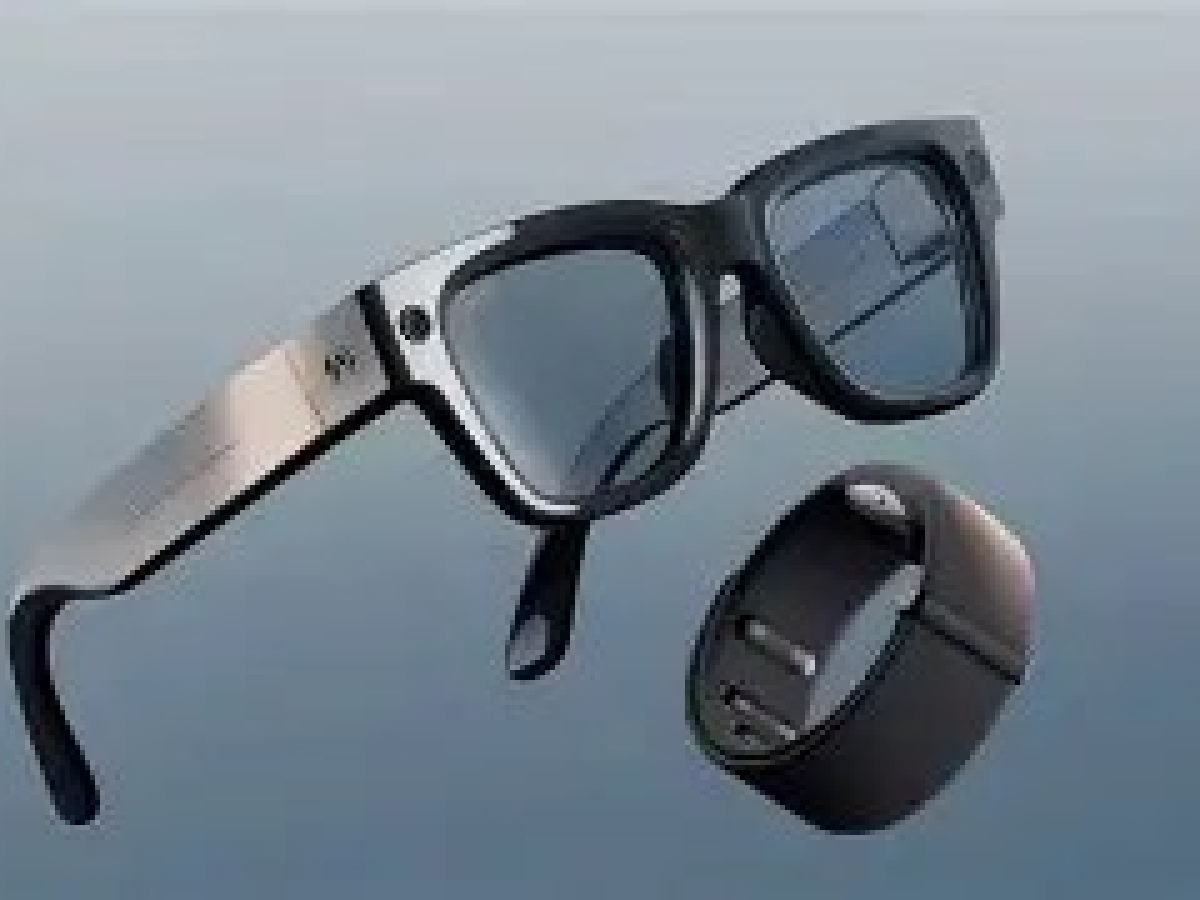
These AI-powered glasses look like every day stylish eyewear, but they bring information from the world around you, directly to the user in a format that works for them.
They are not a phone or a hearing aid. They are a bridge between the physical and digital worlds. Meta glasses can describe your surroundings, read text, recognise objects, and connect you with real-time assistance. For people with sensory loss, this is not just convenience or a gimmick. It is independence.
Benefits
For someone who is blind or has low vision, imagine heading to the bus stop and having your glasses help you identify your bus or read a street sign. When you are meeting someone, the glasses can recognise them as they approach.
At work, the glasses can quietly describe slides in a presentation or read you documents without the need for extra devices. For people with low vision or for those who experience migraines and sensory overwhelm, this kind of discreet support can make meetings easier to follow, and less stressful.
For people who are deaf or hard of hearing or have sensory processing issues, the glasses include AI speech enhancement. This can make speech clearer and easier to follow in noisy environments. Real-time captioning also allows conversations to appear as text right before your eyes, creating instant understanding without needing another device.
In social situations, the glasses can provide captions or translate conversations, removing barriers that might otherwise make people feel excluded. Later, when you are relaxing at home, they can read a medication label, check a recipe, or capture a memory hands-free.
Language translation adds another layer, letting users communicate across languages in real time. It is a reminder that accessibility does not belong to one group. It benefits everyone. It opens up information and communication in ways that once seemed impossible.
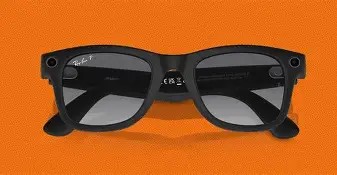 What makes meta glasses special is not one feature but the way they turn everyday challenges into opportunities for independence and connection. For many of the people we know who use them, these features have been life changing. They offer more independence and less reliance on others for small, everyday tasks. That is powerful technology. It is not just a tool. It is an enabler.
The real strength of this technology is that it is hands free, discreet, stylish and available on the go. It is designed to fit into ordinary routines without extra effort. It also avoids the stigma of medical devices.
Challenges
But there are still challenges, for example, in New Zealand, you can’t buy the glasses in stores and not all the features are currently available as of June 2026. Internet IP address restrictions mean that users here can’t yet access the full range of AI capabilities that Meta glasses offer overseas.
That limitation raises important questions about access, licensing, and the future of assistive technology across different regions. For now, Kiwi users can only experience part of what Meta glasses can do, but it is an exciting glimpse of what’s coming.
The other side of this technology is privacy. When your glasses can record, interpret, and share real-time data, we have to ask what that means for consent and safety. Who controls the data? How is it stored? Where do the lines blur between innovation and intrusion?
These questions are part of the ongoing conversation we must have about accessible technology and ethical AI use. We explore this in another blog post, Meta Glasses and Privacy.
Accessibility
At Access Advisors, we care about technology that changes lives, but we also care about how it is designed, who it includes, and who it might leave behind. Even the smartest technology can only do so much if the digital spaces around it are not accessible.
If the website a user visits has poor colour contrast, unreadable text, or missing captions, no pair of glasses can fix that. True accessibility comes from designing with inclusion in mind from the start. That means thinking about structure, readability, and usability at all times, whether that is signage or websites.
Meta glasses show us what is possible when innovation and accessibility come together. They represent a future where assistive technology blends seamlessly into daily life. But they also remind us that the journey is ongoing. There is still work to do to make sure everyone can access, understand, and benefit from new technology.
Summary
The future of accessibility is not separate. It is woven into how we live, work, and connect. Meta glasses show us that future is already here, and we are excited to help people make the most of it.
Kōrero mai
If this has sparked your interest, we would love to hear from you. Reach out to Access Advisors and let’s chat about making things easier for more people. We are always happy to chat.
More AI posts
Artificial Intelligence and Digital Accessibility - Access Advisors
Designing Inclusive Artificial Intelligence Systems - Access Advisors